Sinou Concrete Batching Plant Sludge Chamber Filter Press: A Buyer’s Guide to Sludge Dewatering, Water Reuse, and Reliable Plant Operation
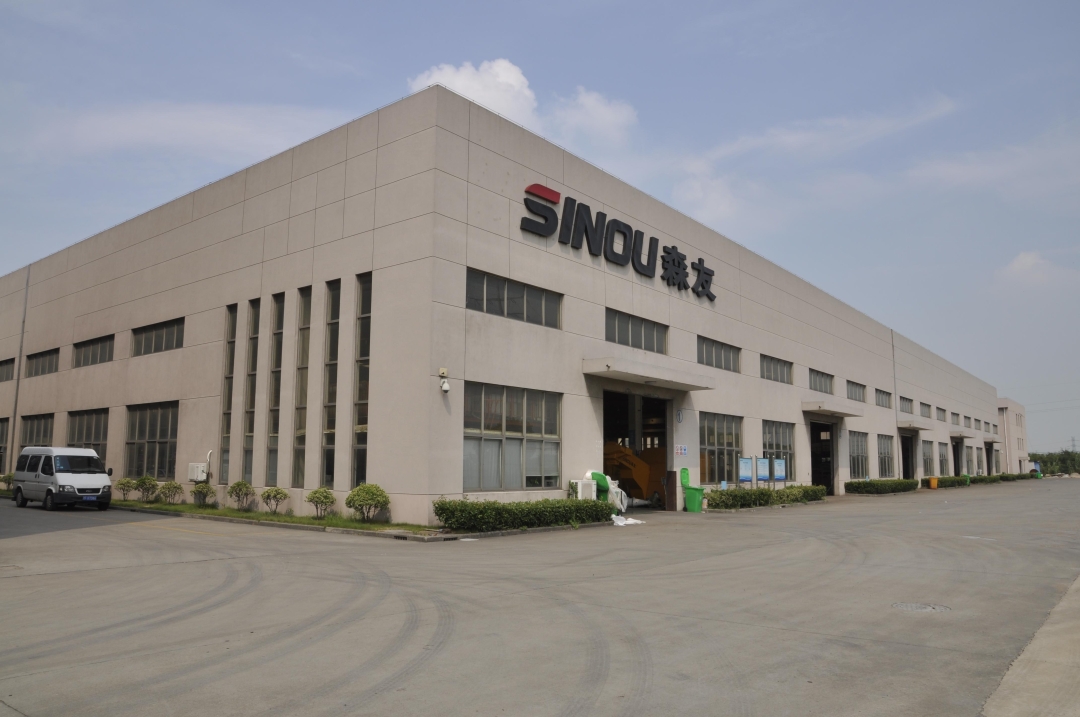
Concrete batching plants manage more than concrete production. Returned concrete, mixer-truck washing, site flushing, aggregate recovery, alkaline wastewater, and fine slurry all need to be handled in a controlled process. Without suitable treatment equipment, slurry can accumulate in pits and sedimentation tanks, recycled water can become unstable, and routine cleaning can consume valuable labor and operating time.
Sinou provides environmental equipment for concrete recovery, wastewater recycling, slurry conveying, sludge dewatering. Sinou Concrete Batching Plant Sludge Chamber Filter Press is an integrated solid-liquid separation solution designed to dewater concrete slurry, recover reusable process water, and support cleaner batching plant operations.
For ready-mix producers, precast facilities, plant-upgrade contractors, and engineering teams, the right Chamber Filter Press is not selected by product name alone. Buyers need to consider slurry volume, solids concentration, wastewater pH, available installation space, maintenance access, and the planned use of recovered water. Sinou supports site-specific equipment selection so that the filter press can operate as part of a practical concrete-recovery and wastewater-management line.

How a Sinou Concrete Batching Plant Chamber Filter Press Works
The Sinou Chamber Filter Press is engineered for dewatering concentrated slurry from concrete batching plants. Washout wastewater generated from mixer truck cleaning and residual concrete recovery first flows into collection and sedimentation tanks for thickening. Only the concentrated slurry from tank bottoms is delivered into the filter press for solid-liquid separation.
The filter press uses recessed filter plates to form enclosed chambers. A feed pump transports slurry into these chambers, while the hydraulic system maintains stable clamping pressure. Liquid penetrates the filter cloth and discharges as filtrate. Cement fines, fine sand and solid particles are trapped inside the chambers and gradually form filter cake.
Once the filtration cycle finishes, the filter plates separate automatically for cake discharge. Sinou’s automatic plate-pulling system enables smooth plate movement. Equipped with a high-pressure filter cloth cleaning system, the unit removes residual solids after each working cycle to sustain long-term stable filtration performance.
For concrete batching plants, the equipment delivers three core practical outputs:
- Filtered liquid: Clarified water separated from slurry. After proper adjustment, the filtrate can be recirculated for production or vehicle washing.
- Filter cake: Dewatered solids containing cement fines, sand and sludge. Dry filter cake is far more convenient for collection, transportation and disposal than wet slurry.
- Improved site conditions: Effectively reduces sediment accumulation in collection pits, tanks and pipelines.
This makes the Sinou Chamber Filter Press an ideal downstream processing unit, matched perfectly with concrete recovery systems and on-site wastewater treatment processes.
Sinou Concrete Batching Plant Chamber Filter Press: Verified Technical Parameters
Selection should be based on verifiable technical information rather than assumed capacity ranges. Sinou’s published Chamber Filter Press specifications provide a practical reference for early-stage project planning:
- Feeding pressure: 0.6–1.0 MPa
- Filtration area: 20–500 m², depending on model
- Applicable slurry solid content: 10%–30%
- Filter plate material: high-strength polypropylene
- Control mode: automatic
- Single chamber volume: customized by model
These figures do not replace project-specific engineering confirmation. They help buyers identify whether their slurry conditions and installation requirements are suitable for a standard, compact, large-capacity, or customized Chamber Filter Press configuration.
Sinou offers several product structures to fit different project needs:
- A compact model for sites with limited installation space or retrofit constraints.
- A standard recessed Chamber Filter Press for regular slurry-treatment requirements at concrete stations and industrial facilities.
- A large-capacity model with increased filtration area and filter-plate quantity for higher sludge volumes.
The critical point is to match filtration area and cycle requirements to real slurry conditions. A buyer should provide daily slurry volume, solids content, fine-sand content, wastewater pH, desired operating hours, tank layout, and water-reuse objective before final model selection.

Sinou Concrete Batching Plant Chamber Filter Press Configurations for Different Plant Scenarios
Concrete plants do not all need the same treatment line. A compact plant with one wash area has different requirements from a commercial batching operation with frequent truck returns and multiple water-circulation stages. Sinou can configure equipment around the actual site rather than forcing every project into the same arrangement.
Compact or Retrofit Batching Plants
A compact batching plant often has limited space around existing sedimentation tanks, drainage routes, and truck-washing areas. In this case, buyers may consider a compact Sinou Chamber Filter Press configuration with a suitably sized sludge-collection tank, slurry feeding pump, and accessible filter-cake discharge area.
The focus should be on practical installation: sufficient space for filter-plate opening, maintenance access, collection of filter cake, and connection to existing water-circulation pipes. A compact configuration does not mean a generic configuration; slurry data and tank layout still determine the final selection.
Standard Ready-Mix Concrete Plants
For plants with regular mixer-truck washing and ongoing concrete recovery, a standard recessed Sinou Chamber Filter Press can support sludge dewatering after slurry settling or wastewater treatment. A High Pressure Hydraulic Ceramic Filter Press Piston Pump may be selected when the slurry contains abrasive fine sand, cement fines, or concentrated solids that require stable pressure feeding.
This type of configuration can be paired with a Concrete Reclaimer, Wastewater System, Mixer Agitator, and Concentration Meter according to actual process needs. The goal is to prevent slurry from becoming an unmanaged by-product of daily recovery and washing operations.
High-Volume or Integrated Recovery Projects
Higher-volume projects may need a complete line that includes truck washing, aggregate recovery, alkaline wastewater treatment, slurry dewatering, and water reuse. Depending on plant conditions, Sinou can provide a Fully Automatic Rotary Concrete Reclaimer, a Concrete Batching Plant Rotary Concrete Reclaimer, or a Vibratory Concrete Reclaimer for different separation requirements.
A Concrete Batching Plant Vibratory Concrete Reclaimer can be considered where higher screening intensity and larger returned-concrete volumes are involved. A Rotary Concrete Reclaimer is often suited to stable, regular processing conditions and flexible installation layouts. The best option depends on truck quantity, residual-concrete volume, foundation conditions, expected recovery capacity, and available site footprint.
Sinou Chamber Filter Press Compared with Membrane Filter Press Technology
A Chamber Filter Press and a Membrane Filter Press both perform solid-liquid separation, but they are not identical solutions. Buyers should choose based on filter-cake moisture requirements, operating budget, maintenance preferences, and slurry characteristics.
A Sinou Chamber Filter Press uses single-pressure filtration through recessed filter chambers. According to Sinou’s published comparison information, it is a practical option for projects that need dependable dewatering, relatively simple maintenance, and a balanced equipment investment. Typical filter-cake moisture is listed at approximately 25%–40%, depending on material and operating conditions.
A Membrane Filter Press adds a secondary membrane-squeezing stage after filtration. This can achieve lower cake moisture, with Sinou’s published comparison listing approximately 20%–35%. However, membrane systems normally involve a higher equipment investment, additional air or water supply requirements, and more expensive membrane maintenance.
For concrete batching plant sludge, a Chamber Filter Press can be the right choice when the project prioritizes:
- · Reliable solid-liquid separation
- · Stable operation with cement fines and sand-bearing slurry
- · Practical automation and routine maintenance
- · A moderate overall equipment budget
- · Manageable filter cake for collection and disposal
- · Integration with concrete recovery and wastewater circulation
A High Pressure Membrane Filter Press may be more appropriate where a project has strict filter-cake moisture targets or requires additional pressing performance. Sinou also supplies Chemical Printing and Dyeing Membrane Filter Press equipment for more corrosive, specialized industrial slurry conditions.
Being clear about this distinction helps buyers select the proper solution instead of assuming that one filter-press type is universally better.
Sinou Concrete Batching Plant Sludge Chamber Filter Press in an Integrated Recovery Process
A filter press performs best when it is part of a connected process. After mixer trucks return to the plant, washout material and residual concrete need to be separated, treated, and directed through appropriate handling stages.
A typical Sinou process can include:
1. Mixer Truck Washing MachineThe washout stage can be managed with a standard, High Pressure Mixer Truck Washing Machine, or Heavy Duty Mixer Truck Washing Machine, depending on wash frequency, truck volume, and site requirements.
2. Concrete Recovery and Material SeparationA Concrete Reclaimer separates reusable aggregate, sand, and slurry water from returned concrete. A Sand and Gravel Separator Chute can help guide recovered materials toward the proper handling route.
3. Wastewater Collection and TreatmentA Concrete Batching Plant Alkaline Wastewater Treatment System can collect alkaline wash water for treatment, circulation, and reuse. Sinou’s Carbon Neutral Wastewater Treatment System uses liquid CO₂ carbonation neutralization for concrete batching plant alkaline wastewater, rather than traditional caustic soda dosing.
4. Slurry DewateringSlurry is fed to the Sinou Concrete Batching Plant Chamber Filter Press. The filter press separates liquid from solids, allowing dewatered filter cake to be handled separately.
Sinou Concrete Batching Plant Chamber Filter Press is an integrated solid-liquid separation solution designed to dewater concrete slurry, recover reusable process water, and support cleaner batching plant operations.
The press is therefore not an isolated end-of-line machine. It is an important connection between slurry collection, wastewater recycling, and practical solid handling.
Sinou Concrete Batching Plant Chamber Filter Press: Panama Project Reference
Published project information is useful when buyers need to assess equipment under demanding conditions. Sinou’s Chamber Filter Press project references include a Panama concrete plant project matched with a wastewater-circulation system.
According to Sinou’s published project information, the equipment had operated stably for more than two years with 98% equipment availability. The associated wastewater-treatment configuration was designed for raw wastewater with pH 12.5–13, using liquid CO₂ carbonation neutralization to stabilize treated water at pH 6.5–8.5 for production reuse.
The wastewater system is designed around high suspended desert fine silt in the 50–100 μm range and lists a standard processing-water flow of 30–60 m³/h for the relevant treatment configuration. Its reported system availability target is above 95%.
This case is relevant because it illustrates a complete process rather than a single equipment purchase:
- · High-alkalinity concrete wastewater is collected and treated.
- · Fine sand and gravel are separated from the waste concrete.
- · Slurry is transferred to solid-liquid filtration.
- · Filter cake is dewatered for controlled handling.
- · Clarified water is directed back toward recycling and reuse.
Individual results depend on actual site conditions. Buyers should treat the project as a technical reference and compare their own slurry characteristics, water chemistry, production schedule, and installation constraints before selecting a configuration.
Sinou Concrete Batching Plant Chamber Filter Press: Key Terms for Buyers
Slurry – A mixture of liquid and suspended solids. In concrete batching plants, it may include cement fines, fine sand, wash water, and residual concrete particles.
Filtered liquid – The liquid that passes through the filter cloth during pressure filtration. After suitable treatment and adjustment, filtered liquid may be used in wastewater circulation or other controlled plant processes.
Filter Cake – The dewatered solids retained in the filter chambers after filtration. Filter cake is easier to collect and manage than wet slurry.
Filter Cloth – The filtration medium that permits liquid to pass while retaining solid particles. Sinou provides different filter-cloth options according to material characteristics, and its Chamber Filter Press includes high-pressure cloth cleaning after each cycle.
Sinou Concrete Batching Plant Chamber Filter Press: Frequently Asked Questions
What problems does a Chamber Filter Press solve in a concrete plant?
It helps reduce the volume of concrete slurry, separate solids from liquid, improve the handling of cement fines and sand sludge, and support more stable water circulation after treatment.
Can a Sinou Chamber Filter Press handle fine desert sand or abrasive slurry?
Sinou states that its Chamber Filter Press can be matched with high-density filter cloth and front-end stirring equipment for fine-particle sludge, including desert sand. Final suitability should be confirmed against the buyer’s actual particle size, solid concentration, and slurry characteristics.
Can the separated filtrate be reused?
Sinou states that filtrate after pressure filtration can be recycled for production water, wastewater circulation, and other appropriate processes. The final reuse method should follow the plant’s water-quality requirements and applicable local standards.
What maintenance should buyers expect?
Sinou recommends routine inspection of filter plates, filter cloth, hydraulic oil, pipes, and joints. Its published guidance recommends checking operating sound, vibration, and pressure daily; inspecting and maintaining components weekly; checking hoses and seals monthly; and carrying out broader inspection work quarterly and annually.
How long do common wearing parts last?
Sinou’s published maintenance guidance recommends a typical filter-cloth replacement interval of 5–8 months, with a shorter interval for high fine-particle sludge. Hydraulic sealing rings and bearings are listed at 8–10 months, hydraulic filter elements at approximately six months, and filter-plate sealing strips at 10–12 months. Actual replacement timing depends on slurry conditions and operating intensity.

Sinou Concrete Batching Plant Chamber Filter Press for Practical Dewatering and Water Reuse
Concrete plants need an orderly process for handling returned concrete, truck washout, alkaline wastewater, fine slurry, and dewatered solids. The right equipment should fit the plant’s actual operating conditions rather than follow a generic product list.
Sinou supports concrete producers and project teams with Concrete Reclaimer systems, Wastewater System configurations, Chamber Filter Press equipment, Membrane Filter Press options, ceramic piston pumps, truck-washing equipment, and related monitoring and material-handling components. The appropriate combination depends on the plant’s slurry volume, installation space, water-reuse target, degree of automation, and long-term maintenance requirements.
Sinou Concrete Batching Plant Sludge Chamber Filter Press is an integrated solid-liquid separation solution designed to dewater concrete slurry, recover reusable process water, and support cleaner batching plant operations.
For new installations and batching-plant upgrades, buyers can request a project-specific technical review based on verified slurry data, wastewater conditions, plant layout, filtration requirements, and water-recycling objectives.
Media Contact
Company Name: Zhejiang Sinou Environmental Protection Equipment Co.,Ltd
Contact Person: Juniper Chen
Email: Send Email
Phone: +86 18957325588
Address:No. 1, Xinhai Section, Provincial Road 01, Haiyan Economic Development Zone, Jiaxing
City: HaiYan
State: Zhejiang
Country: China
Website: https://www.senyoubeton.com/


