Air Conditioner Breakdown Warning: Key Signs Longview, TX Homeowners Need Professional Service Now
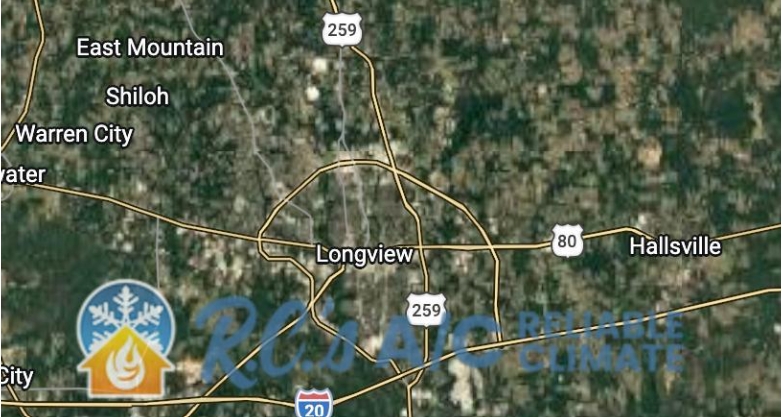
Air conditioning in Longview is essential infrastructure that keeps homes livable through the long, hot East Texas cooling season. Systems working properly operate quietly in the background, maintaining comfortable temperatures and appropriate humidity levels without drawing much attention to themselves. Systems developing problems often announce those problems through various symptoms ranging from subtle to dramatic, and recognizing these symptoms early allows homeowners to address issues before they become serious. The difference between catching problems early and waiting until systems fail completely often determines whether repairs will be straightforward and reasonably priced or whether situations will progress to emergencies requiring premium-priced service under pressure to restore cooling quickly.
The warning signs that air conditioners need professional repair follow patterns that experienced HVAC technicians see repeatedly across Longview homes. Some symptoms indicate specific common problems that can often be addressed through targeted repairs. Others indicate broader system issues that may warrant more comprehensive evaluation and response. Still others represent genuine emergencies that warrant immediate professional attention rather than continued observation or DIY attempts at diagnosis. Understanding the various warning signs, what they typically indicate about underlying problems, and when professional attention is warranted helps homeowners maintain better control over their HVAC costs while ensuring that serious issues receive the prompt response they need. This guide walks through the specific warning signs that suggest air conditioners need professional repair in Longview homes, explains what each sign typically indicates, and describes what professional service actually accomplishes in addressing various air conditioning problems.
Clear Signs Your AC Needs Professional Attention in Longview TX
The symptoms that indicate air conditioners need professional service range widely in their urgency and in what they suggest about underlying system conditions. Some symptoms warrant same-day emergency response, while others can reasonably wait for scheduled service at convenient times. Learning to distinguish between these categories helps homeowners make good decisions about when to call for immediate service versus when scheduling for routine service hours makes more sense. Quality providers of AC Repair Longview TX offer both emergency response for genuine urgent situations and scheduled service for less critical issues, and helping homeowners understand which situations warrant which response is part of professional service.
AC Not Cooling the House Properly
Systems failing to cool homes adequately represent one of the most common complaints that trigger air conditioning service calls in Longview. The specific symptoms vary from systems that produce no cool air at all to systems that produce cool air but cannot maintain target temperatures during hot weather. Understanding which specific symptom pattern applies helps narrow down the likely causes and inform the appropriate response. Systems producing no cooling at all indicate more fundamental problems than systems that simply cannot keep up with demand during peak conditions, though either situation warrants professional attention.
When systems run continuously but cannot reach or maintain the thermostat setting during hot weather, the causes typically involve some combination of capacity issues, airflow problems, and refrigerant concerns. Systems with inadequate refrigerant charge lose cooling capacity proportional to how much the charge has declined from specification. Systems with dirty coils experience reduced heat transfer efficiency that forces them to work harder without producing proportional additional cooling. Systems with airflow restrictions including clogged filters, restricted ductwork, or failing blower motors cannot move enough air to deliver full cooling capacity. Each of these issues requires different corrective actions, and professional diagnosis identifies which specific factors are contributing to inadequate cooling in particular situations.
Systems producing warm air despite appearing to run properly indicate more serious problems that warrant prompt attention. Warm air from supply registers when systems are calling for cooling suggests either that the cooling cycle is not actually occurring or that something is preventing the cooling from reaching living spaces. Possible causes include compressor failures, severe refrigerant shortages, or various other significant problems. Continuing to run systems that are producing warm air wastes energy and may cause additional damage to equipment depending on the specific underlying cause. Turning systems off and calling for professional service is typically the appropriate response to warm air symptoms rather than continuing to run equipment that is not actually producing cooling.
Unusual Sounds From the AC Unit
Air conditioning systems produce characteristic sounds during normal operation that experienced homeowners learn to recognize. The sound of air moving through ducts, the low hum of blower motors, clicks as systems cycle on and off, and the outdoor unit’s fan and compressor sounds all contribute to the familiar background noise of normal cooling operation. Sounds that deviate from these normal patterns indicate various conditions that warrant attention, with specific sound characteristics providing diagnostic clues about what may be occurring.
Grinding, squealing, or screeching sounds from blower motors typically indicate bearing problems that have developed over time. Initial bearing wear may produce intermittent sounds that occur primarily during startup and shutdown, gradually becoming more constant as wear progresses. Complete bearing failure produces much more dramatic sounds and may culminate in the motor seizing entirely. Addressing bearing issues early through motor replacement produces better outcomes than waiting for complete failure that typically occurs at inconvenient times and may require emergency service to restore cooling.
Banging, rattling, or clanking sounds from outdoor units often indicate loose components that have developed issues over the years of operation. Mounting hardware that has loosened from thermal cycling and vibration can produce rattling sounds that may get progressively worse over time. Components inside compressor assemblies that have loosened can produce banging sounds during operation that indicate serious internal problems. Panels or covers that have not been properly secured may produce rattling from wind or vibration. Each of these sources requires different responses, from simple tightening of mounting hardware through major component repairs for internal issues. Professional evaluation identifies specific sources of unusual sounds and recommends appropriate corrections.
Strange Odors When the AC Runs
Unusual smells when air conditioning systems operate indicate various conditions that warrant investigation. Normal operation should not produce noticeable odors, so any distinct smells when systems run represent something out of the ordinary that deserves attention. The specific character of smells often provides diagnostic information about what is occurring within the system, helping to narrow down the likely causes and inform appropriate responses.
Musty or moldy odors indicate biological contamination somewhere in the system, most commonly on evaporator coils, in drain pans, or within ductwork. The combination of moisture from condensation, organic materials that accumulate on components, and temperatures that support biological growth can produce conditions where mold, mildew, and bacteria establish populations. When air circulates through contaminated areas, the resulting odors distribute throughout homes. Professional cleaning of affected components, along with treatments to inhibit regrowth, addresses these issues. UV light systems installed in equipment provide ongoing control of biological contamination by continuously inhibiting growth on coils and drain pans.
Burning smells when air conditioning systems operate represent genuine emergency situations that warrant immediate shutdown of the equipment and prompt professional service. Electrical burning smells suggest overheating wiring, failing motor components, or damaged electrical parts that could progress to fire if operation continues. Hot rubber or plastic smells may indicate overheating of specific components including belts, motor insulation, or electrical components. Chemical smells that are not musty in character may indicate refrigerant issues or other problems warranting professional evaluation. Any burning or unusual chemical smells warrant stopping operation at the thermostat and calling for service rather than continuing to run systems that are producing smells indicating potential serious problems. Experienced AC Repair Longview TX technicians recognize smell-related symptoms as urgent matters and respond accordingly.
Common AC Problems That Require Professional Service
Beyond the general warning signs that something is wrong, specific problem categories account for the bulk of air conditioning service calls in Longview. Understanding these common problems helps homeowners recognize what may be happening with their systems and what professional service typically involves in addressing each type of issue. Each problem category has specific diagnostic approaches, repair procedures, and typical costs that vary based on specific circumstances. Professional evaluation accurately identifies which specific problems are occurring and recommends appropriate responses.
Refrigerant Leaks and Low Coolant
Refrigerant is the working fluid that enables air conditioning systems to move heat from inside homes to outside, and systems must maintain specific refrigerant charges to operate properly. When refrigerant levels drop below specifications, cooling capacity decreases, efficiency suffers, and various operational problems can develop. Refrigerant leaks represent the most common cause of declining refrigerant levels in operating systems, and addressing leaks requires both locating the specific leak points and repairing them before refrigerant is recharged to proper levels.
The symptoms of refrigerant leaks and low charge conditions include reduced cooling capacity that worsens over time as leaks continue to deplete the charge, ice formation on refrigerant lines or evaporator coils caused by the lower pressure operation that low charge produces, unusual sounds from compressors working harder than designed, and eventually compressor failure from the stress of operating with inadequate refrigerant. Systems with small leaks may operate for years with gradually declining performance before problems become severe enough to force attention. Systems with larger leaks produce more dramatic symptoms more quickly and may require emergency service to restore operation.
Addressing refrigerant leaks involves several specific steps that professional technicians handle as a coordinated process. Leak detection using specialized equipment including electronic leak detectors, UV dye testing, or pressure testing identifies specific leak locations. Repair of identified leaks may involve simple connection tightening, component replacement when specific parts have failed, or in severe cases replacement of major components including coils. Refrigerant recharge to proper specifications restores system performance after leaks have been repaired. Systems that have operated with low refrigerant for extended periods may require additional repairs beyond just the leak repair, as compressors and other components can be damaged by extended operation with inadequate refrigerant.
Frozen Evaporator Coils
Ice formation on evaporator coils represents a specific problem pattern that has several possible underlying causes. When evaporator coils freeze, the ice formation blocks normal airflow through the coils and dramatically reduces cooling effectiveness. Homeowners may notice reduced cooling output, unusual sounds as the system struggles against ice buildup, or visible ice on refrigerant lines or at the air handler location. Continued operation with frozen coils can cause additional damage to compressors and other components, making prompt response appropriate when freezing is suspected.
The causes of coil freezing include low refrigerant charge that causes the refrigerant to drop to temperatures below freezing at the evaporator, restricted airflow through the coils that prevents normal heat transfer from keeping the coils above freezing, dirty coils that cannot transfer heat effectively, and various other conditions that allow coil temperatures to drop below water freezing point. Each of these causes requires different corrective action, and identifying the specific cause in particular situations requires professional evaluation. Attempting to address freezing symptoms by thawing coils without identifying the underlying cause typically produces only temporary relief before the same conditions produce renewed freezing.
The response to frozen coils typically involves turning off the cooling system to allow the ice to thaw completely before any evaluation or repair work can proceed. Running the system’s fan without cooling helps speed the thawing process by moving warm air over the frozen coils. Once ice has completely thawed, professional evaluation can identify the specific cause of the freezing and implement appropriate repairs. The combination of thorough cleaning, refrigerant charge verification, airflow evaluation, and correction of any identified issues produces reliable operation going forward. Systems that have experienced repeated freezing may have accumulated damage that requires more extensive repair than systems experiencing their first freeze.
Electrical Problems in the AC System
HVAC systems contain various electrical components that can fail and produce specific symptoms depending on which components are affected. Capacitors that help start compressors and fan motors can fail in ways that prevent systems from starting or cause them to run inefficiently. Contactors that switch electrical power to outdoor units can develop worn contacts that produce intermittent operation or prevent systems from starting at all. Fan motors and blower motors can fail from bearing wear, winding issues, or various other causes. Control boards that coordinate system operation can fail and produce various unusual operational patterns. Each electrical component failure has specific symptoms that experienced technicians can use for diagnosis.
The symptoms of capacitor problems include systems that hum but do not start, compressors or fans that start slowly or run erratically, and various patterns of intermittent operation. Capacitors weaken gradually over time, so systems may operate acceptably for years with degrading capacitors before problems become severe enough to prevent operation entirely. Replacement of weakened capacitors before they fail completely prevents the no-cooling situations that complete capacitor failure produces, making capacitor testing and replacement a common element of routine maintenance.
Contactor problems often produce intermittent operation where systems start sometimes but fail to start other times, or where systems start but run erratically. Worn contactors may also produce buzzing or humming sounds from outdoor units as they attempt to maintain contact under electrical load. Contactor replacement is typically straightforward but requires proper technician training to complete safely given the electrical hazards involved. Control board problems produce various symptoms depending on which specific functions are affected, and diagnosis often requires systematic testing to identify which components are actually failing versus which may be receiving incorrect signals from other failed components.
When to Call for Emergency AC Repair Services
Not all air conditioning problems represent emergencies that warrant immediate professional response, but some situations genuinely require urgent attention rather than waiting for regular service hours. Understanding which situations constitute emergencies versus which can reasonably wait helps homeowners make appropriate decisions about when to request emergency service that may involve premium pricing versus when scheduled service at regular rates makes more sense. The emergency determination should consider both the practical impact of continued system problems and the risk of problems worsening during delay.
System Completely Stops Working in Heat
Total cooling failure during hot weather represents the most obvious emergency situation, particularly when East Texas summer temperatures make homes essentially unlivable without working cooling. The combination of sustained high outdoor temperatures and high humidity that defines Longview summer weather can make indoor conditions reach uncomfortable and even unsafe levels within hours of cooling system failure. Vulnerable household members including elderly residents, young children, pets, and people with health conditions may face genuine health risks from prolonged exposure to the conditions that develop in homes without cooling during peak summer weather.
The decision to call for emergency service for cooling failures should consider the current weather conditions, the specific household vulnerabilities, and the practical alternatives for managing until regular service can be scheduled. During mild weather, cooling failures may be uncomfortable but not dangerous, and scheduling service for regular hours may be reasonable. During peak summer heat, the same failure may warrant emergency response to prevent health risks or severe comfort problems. Homeowners should communicate clearly with service providers about the specific conditions, household considerations, and urgency when describing situations to help ensure appropriate response levels.
Professional emergency service brings several advantages beyond just the faster response time. Emergency technicians typically carry well-stocked service vehicles that can address common problems in single visits without requiring return trips for parts. Experienced emergency technicians are skilled at efficient diagnosis that identifies problems quickly and implements solutions without unnecessary delays. The combination of faster response, thorough service capability, and experienced personnel makes emergency service worth the premium pricing for genuine urgent situations even as it represents higher cost than scheduled service at regular rates.
Warning Signs of Fire or Electrical Hazard
Certain warning signs indicate potential safety concerns that warrant shutting off systems immediately and calling for service regardless of other considerations. Electrical burning smells, visible smoke from equipment, loud grinding or metal-on-metal sounds, or any indications of electrical arcing or sparking all represent situations where continued operation could lead to fire or other serious consequences. The appropriate response to these warning signs is turning off equipment at the thermostat or circuit breaker, leaving it off until professional evaluation can determine what is happening, and calling for service to investigate and correct the underlying issues.
The specific safety concerns associated with air conditioning systems include electrical hazards from failing components, potential fire risks from overheating motors or failing electrical components, and refrigerant handling concerns in rare cases involving significant leaks. Each of these concerns warrants professional response rather than continued operation or DIY investigation. Professional technicians have the training, equipment, and experience to safely investigate and address these situations, while homeowner attempts to handle safety-related issues often make situations worse or expose people to unnecessary risks.
Peace of mind represents another consideration favoring prompt professional response to concerning symptoms. Even when situations turn out to be less serious than initial symptoms suggested, having professional evaluation that confirms either the absence of serious problems or the correction of actual issues allows homeowners to use their systems with confidence. Continuing to run systems while wondering whether concerning symptoms indicate dangerous conditions produces ongoing stress that professional evaluation resolves. The modest cost of emergency service for situations that warrant professional evaluation provides good value relative to the anxiety and potential risks of continued operation under uncertain conditions.
Water Leaking From the Indoor Unit
Water leaking from indoor air handler units or from ceilings beneath air handlers represents another situation warranting prompt professional response. The water sources that can produce leaks include drain line blockages that cause condensate water to back up and overflow drain pans, cracked or damaged drain pans that allow water to escape through structural damage, and in some cases problems with the refrigerant cycle that produce unusual condensation patterns. Each of these issues can cause significant water damage if allowed to continue, making prompt response important for limiting damage along with addressing the air conditioning functional issues.
The specific water damage concerns from air handler leaks include damage to ceilings, walls, and flooring directly beneath the air handler location, damage to stored items if air handlers are in attics or other spaces containing household items, potential structural damage if leaks continue long enough to affect wood framing or other building materials, and mold growth that can develop in damp conditions that result from sustained water leaks. The combination of these potential damages makes addressing water leaks promptly much more economical than the extensive remediation that may be required if leaks are allowed to continue for extended periods.
The specific response to water leaks involves several coordinated steps. Turning off the air conditioning system stops the active cooling that produces condensation, which may slow or stop additional water production pending repair. Collecting water with containers or absorbent materials prevents spreading damage while professional service is arranged. Professional diagnosis identifies the specific cause of water leaks and implements appropriate repairs. Thorough inspection for damage that may have already occurred allows for appropriate remediation actions beyond just the air conditioning repair. Professional service addressing water leak situations handles all these considerations as part of comprehensive response rather than just treating the immediate symptom.
Why RC Reliable Climate Provides the Best AC Repair Service in Longview TX
When air conditioning problems warrant professional attention, selecting the right contractor affects every aspect of the resulting repair experience. RC Reliable Climate has earned its place as the trusted air conditioning repair provider for Longview homeowners by consistently delivering the prompt response, thorough diagnosis, and quality repair work that produce reliable outcomes on every service call. The combination of technical expertise, customer focus, and consistent professional standards defines what homeowners can expect when contacting RC Reliable Climate for air conditioning repair needs.
Fast Reliable AC Repair for Longview TX Homeowners
The team at RC Reliable Climate responds quickly to service calls including genuine emergency situations where rapid response matters most. Service vehicles arrive stocked with the parts most commonly needed for air conditioning repairs, allowing most service calls to be resolved in single visits without requiring additional trips for parts. Experienced technicians bring the diagnostic skills to identify problems accurately and the repair skills to implement effective corrections on first visits whenever possible. Clear communication throughout service visits explains what problems were identified, what work will address them, and what results homeowners should expect.
What consistently distinguishes RC Reliable Climate in the Longview market is the genuine commitment to customer satisfaction that shows up on every service call. Thorough problem diagnosis, quality repair work, clean work practices, transparent pricing, and reliable follow-through on every commitment reflect the professional standards that have earned trust across the region. Whether the situation involves emergency response to genuine urgent problems or scheduled service for less critical issues, RC Reliable Climate delivers the quality service that homeowners deserve during stressful air conditioning situations. Making RC Reliable Climate the first call for air conditioning repair means working with a team that treats every service call with the professional care that effective cooling system restoration requires.
Media Contact
Company Name: RC’s AC Reliable Climate
Contact Person: Royce Richardson
Email: Send Email
Phone: (903) 316-6855
Address:3 Lewis Drive
City: Longview
State: TX 75605
Country: United States
Website: https://iwantclimate.com/


